
In today’s world, where sustainability is more than just a buzzword, solar energy stands out as one of the most practical and environmentally friendly solutions for powering our lives. But how exactly does solar energy work? What makes it such a promising alternative to traditional energy sources?
This beginner’s guide from Figjam Solutions will walk you through the basics—from how solar panels operate to the benefits they bring to individuals and the planet.
What Is Solar Energy?
Solar energy is the power we get from the sun’s rays. Every day, the sun radiates an enormous amount of energy, and with the right technology, we can harness it and convert it into electricity or heat for our homes, businesses, and even vehicles.
How Does Solar Energy Work?
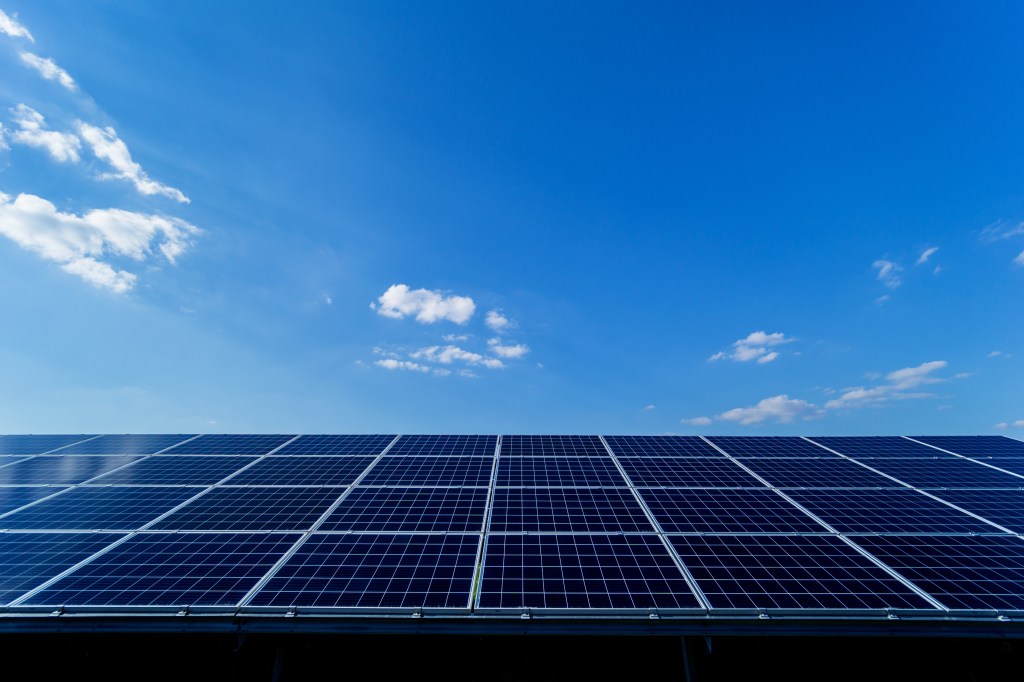
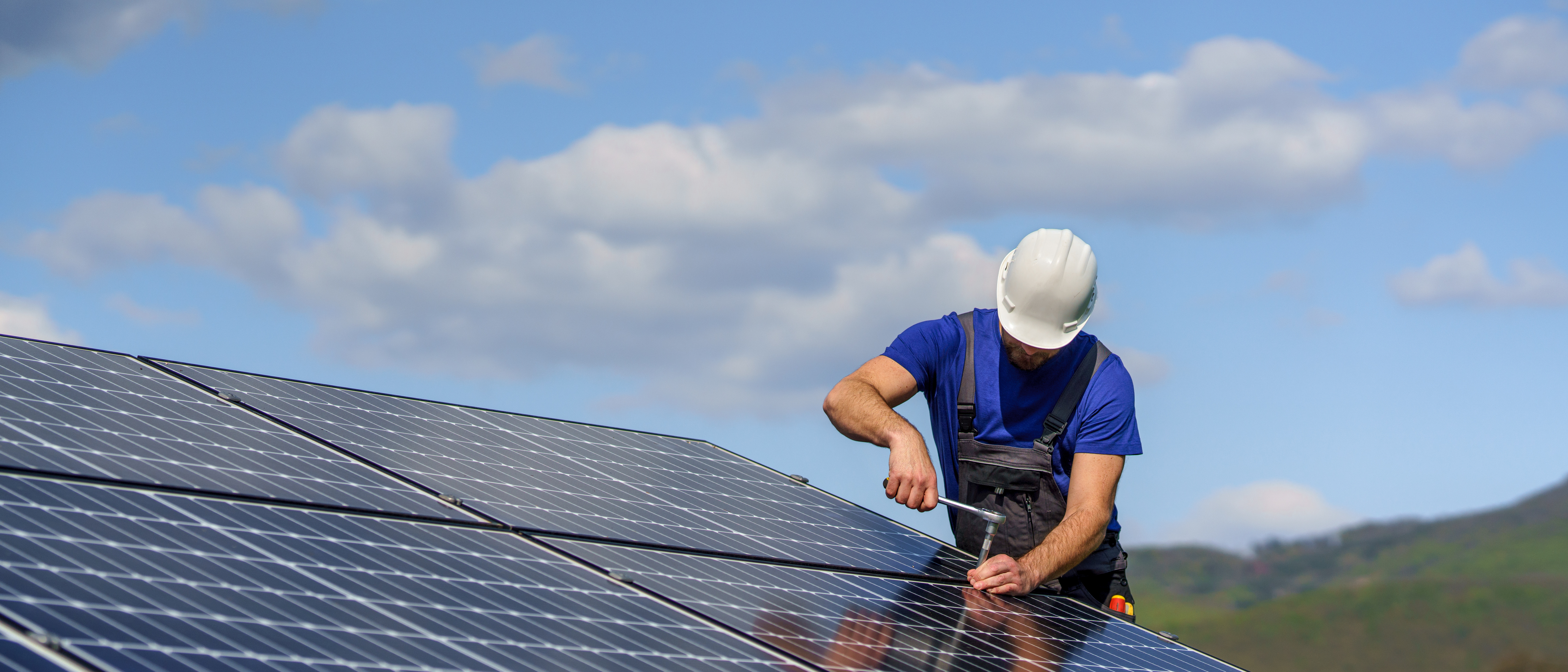
At the heart of most solar energy systems are solar panels, which convert sunlight into usable electricity. Here’s a simple breakdown:
- Sunlight Hits the Panels
Solar panels are made up of photovoltaic (PV) cells, usually composed of silicon in a crystalline form (meaning structure and form of a crystal). This Silicon is not the same silicon as what seals our bath tubs. It is from a quartzite rock processed to make silicon crystals. Quartzite is a plentiful raw material from the earth. - Energy transfers
When sunlight hits the PV cells (crystals), it excites electrons, creating a direct current (DC). This current flows directly (1 direction) towards an inverter. - Inverter Converts Energy Power
The (DC) electricity is converted into alternating current (AC) by an inverter so it can power household appliances. - Powering Your Home
The electricity powers your home, and any excess can be stored in batteries or returned to the grid.
Types of Solar Energy Technology
There are two main types of solar energy systems:
- Photovoltaic (PV) Systems
These generate electricity directly from sunlight using PV cells (crystals). They’re commonly seen on rooftops and solar farms. - Solar Thermal Systems
These use mirrors or lenses to concentrate sunlight and produce heat. They are often used in large-scale power plants or for heating water in homes. The home version is typically in a tube like form that sits on the roof. Solar Thermal is very efficient in heating water but not producing electricity when compared to solar PV panels.

Benefits of Solar Energy
🌱 Clean and Renewable
Solar energy doesn’t produce greenhouse gases or pollutants, making it a sustainable choice.
💡 Lower Electricity Bills
Solar panels can drastically reduce or eliminate your electric bill over time.
🔌 Energy Independence
Solar allows you to generate your own power and rely less on utility companies. Allowing self sufficiency
🔧 Low Maintenance
Solar systems are durable and require minimal maintenance.
📈 Long-Term Investment
While the upfront cost can be high, solar pays off over time with savings and incentives.
Is Solar Right for You?
Consider:
• Roof direction and shading
• Average sun exposure in your area
• Local utility rates and incentives
• Storage of the energy produced by the panels to be used when it is night time or for emergencies.
We can offer an assessment to help determine your home’s solar potential.
Final Thoughts
Understanding how solar energy works is a key step in embracing a cleaner, smarter energy future. Whether you’re interested in cutting electricity costs, living sustainably, self-sufficiently, or reducing your environmental impact, solar energy and battery storage is an opportunity worth exploring.
💬 Ready to learn more or get a quote? Contact Mark at Figjam Solutions
Email: sales@figjamsolutions.com
Mobile: 07841 910671




Leave a Reply